Summary: E-E-A-T (Experience, Expertise, Authoritativeness, and Trustworthiness) is the framework Google’s quality raters use to judge content quality and credibility. It is not a single ranking factor, but it shapes the signals Google’s algorithms reward, and it matters most on pages that affect money, health, or safety. This guide explains what each pillar means, how E-E-A-T connects to Google’s Search Quality Rater Guidelines, and the concrete on-page and technical steps that strengthen it.
SEO is not what it was a few years ago. Google no longer looks only at keywords and backlinks. It also asks who is behind your content, whether they are qualified to write it, and whether users can trust what they read. Those questions sit at the center of E-E-A-T.
If you run a business focused on sustainable growth, this guide is for you. It explains why E-E-A-T SEO is worth your attention and how to improve it step by step.
Key Takeaways
- ✓ E-E-A-T is not a direct ranking factor. It lives in Google’s Search Quality Rater Guidelines and steers the changes Google’s algorithms make.
- ✓ The second “E,” Experience, was added in December 2022, shifting the focus toward first-hand, lived knowledge.
- ✓ E-E-A-T carries the most weight on YMYL (Your Money or Your Life) pages that touch health, finance, safety, or major decisions.
- ✓ Answer Google’s “who, how, and why” questions on your content: who created it, how it was produced, and why it exists.
- ✓ Author bios, Person and Organization schema, real experience, and clear trust signals are the practical levers you control.
What Is E-E-A-T in SEO?
E-E-A-T stands for Experience, Expertise, Authoritativeness, and Trustworthiness. The concept comes directly from Google’s Search Quality Rater Guidelines, the manual Google’s human evaluators follow when they rate the quality of search results.
Here is the part many people miss: E-E-A-T is not a switch in the algorithm. Raters cannot change your ranking. Instead, their ratings tell Google whether an algorithm update is surfacing trustworthy, helpful pages. Over time Google tunes its systems to reward the qualities raters score highly, so strong E-E-A-T supports better rankings indirectly rather than flipping a single dial.
The framework started as E-A-T. Google added the second E, Experience, in December 2022 to capture first-hand, lived knowledge. A review written by someone who actually used the product now counts for more than a summary written by someone who never did.
YMYL: Where E-E-A-T Matters Most
Google applies E-E-A-T unevenly on purpose. On a page about a hobby, weak credentials do little harm. On a page that could affect a reader’s money, health, safety, or a major life decision, Google raises the bar. Google calls these YMYL pages, short for “Your Money or Your Life.”
Professional services, finance, legal, healthcare, and technology sit squarely in YMYL territory. If your business advises clients or handles their money, Google expects clear evidence that qualified, trustworthy people stand behind your content. That is why E-E-A-T is foundational for these industries rather than optional.
Breaking Down the Four Pillars of E-E-A-T
Each pillar answers a different question a reader (and a rater) has about your content.
Experience
Experience is first-hand knowledge. Google wants proof that the person behind the content has actually done what they are writing about. Show it, do not just claim it:
- An audit guide written by the team that runs audits every week, with real steps from their process.
- SEO advice backed by data from campaigns you actually ran, including screenshots where relevant.
- AI automation guidance from a team that has deployed the tools, not summarized them.
Original detail, such as your own numbers, screenshots, or a documented process, is the clearest experience signal you can add.
Expertise
Expertise is depth of subject knowledge. Google expects content to be created or reviewed by someone who genuinely understands the topic. For a firm offering SEO, analytics, or AI services, that means:
- Publishing thorough, accurate content instead of surface-level summaries.
- Explaining the reasoning and the process, not just the conclusion.
- Naming the author or reviewer and their qualifications.
Authoritativeness
Authoritativeness is reputation earned from outside your own website. It grows when other credible sources recognize you:
- Mentions and citations from reputable sites and industry publications.
- Quality backlinks from relevant, trusted domains.
- A consistent brand presence across your site, profiles, and directories.
- Genuine reviews and testimonials.
Authority builds slowly and depends on recognition from peers, so it is usually the hardest pillar to move quickly.
Trustworthiness
Trust is the pillar Google weighs most heavily, because the other three mean little without it. Strong trust signals include:
- HTTPS across the whole site.
- Clear, easy-to-find contact information.
- Transparent descriptions of what you offer and how you work.
- Published privacy policy and terms.
- Authentic reviews and testimonials, not fabricated ones.
Answer Google’s “Who, How, and Why”
In its guidance on creating helpful content, Google recommends that every page make three things obvious. Answering them is one of the most direct ways to demonstrate E-E-A-T:
- Who created the content. Add a real author byline and bio, and use an About page that names the people and the business.
- How it was produced. If you tested, measured, or researched something, say so and show the method.
- Why it exists. Content written primarily to help readers, rather than to rank, tends to satisfy this best.
Why Does E-E-A-T Matter More Than Ever?
AI-generated content is now everywhere, and readers find it harder to tell what is reliable. Google’s recent updates aim to filter out thin, unhelpful, or misleading pages and to reward content that shows real expertise and trust. Sites that ignore E-E-A-T tend to see:
- Declining rankings after core updates.
- Lower engagement and higher bounce.
- Reduced visibility that is hard to recover.
Sites that invest in E-E-A-T tend to see the opposite: steadier rankings, stronger engagement, more conversion trust, and better resilience through algorithm updates. AI content itself is not penalized. Thin, unverified AI content is the risk, so review and enhance anything a tool drafts.
How to Improve E-E-A-T for Your Website
These are the practical moves that strengthen each pillar.
Create Reliable Author Bios
Readers and raters want to know who is behind the content. Give each author a real bio that states their expertise, credentials, and why they are qualified on the topic. Link the bio to an author page.
Add Person, Organization, and Article Schema
Structured data is the technical counterpart to author bios. Add Article schema with an author field, Person schema for that author, and Organization schema for your business. This helps Google connect your content to the people and entity behind it, and it is a concrete step most competing pages on this topic already take.
Create Content Based on Real Experience
Replace generic advice with real campaigns, audits, analytics findings, and client challenges. First-hand detail is what separates an experienced source from a summary.
Strengthen Brand Authority
Earn high-quality backlinks, publish thought leadership, and keep your brand consistent across platforms. Prioritize credibility over volume.
Build Trust Across Every Page
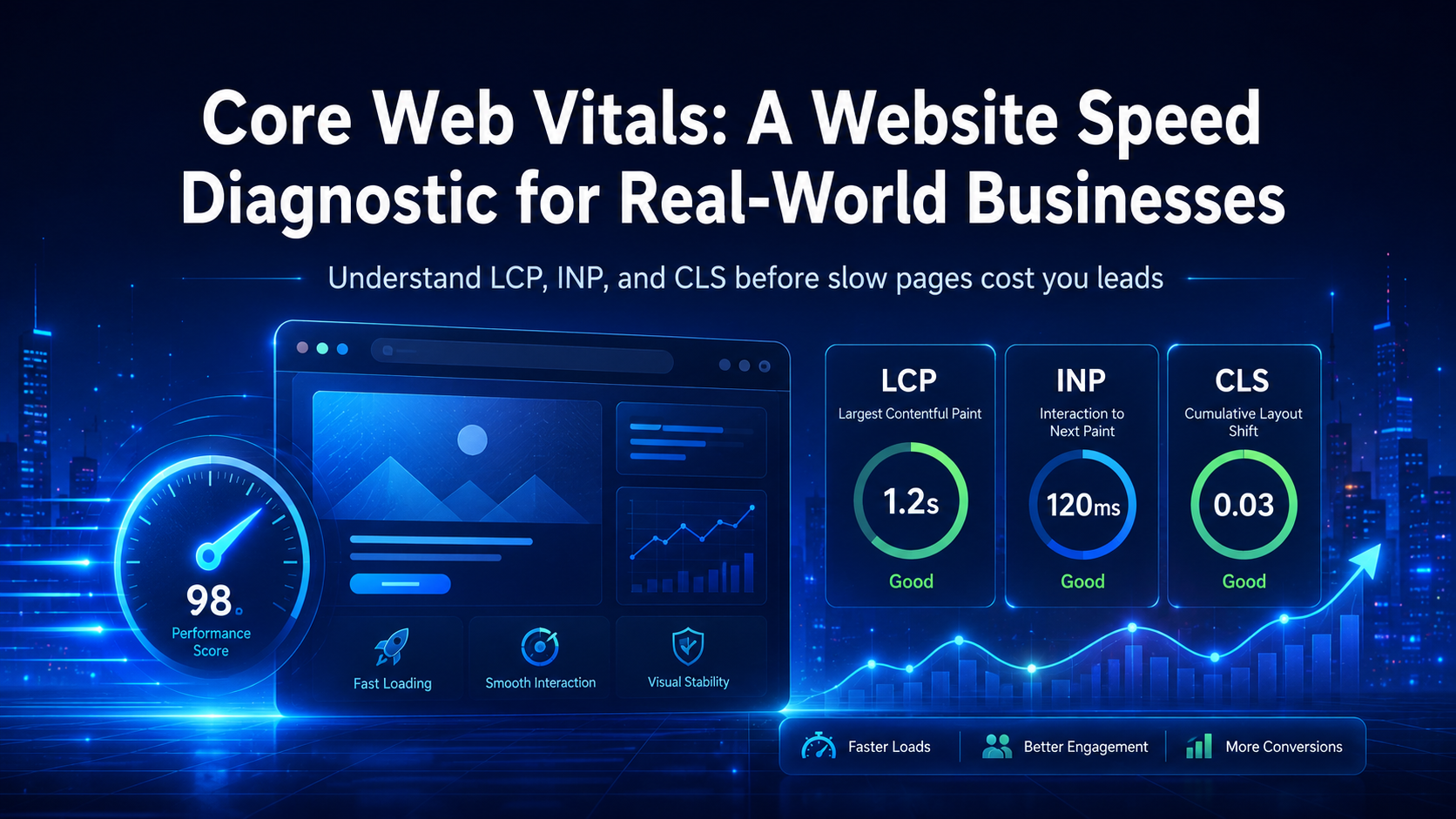
Make it obvious what you do, how you help, and how to reach you. Keep HTTPS, contact details, and clear service descriptions in place. Technical trust matters too: a fast, stable site supports the experience Google expects, which is one reason Core Web Vitals are worth maintaining.
Keep Content Accurate and Updated
Outdated or inaccurate content erodes trust and gets filtered out. Review key pages on a schedule, correct anything stale, and keep claims current.
Audit Your Own E-E-A-T
Assess your site the way a rater would: is authorship clear, are claims backed by evidence, do trust pages exist, and is the reputation off-site consistent with the expertise on-site? A structured audit turns these questions into a prioritized list of fixes.
Want Your Content to Earn Google’s Trust?
Most businesses do not learn their E-E-A-T signals are weak until rankings slip after a core update. We help you strengthen authorship, trust signals, and topical depth so your pages can rank and convert. Book a free 15-minute strategy call to see where your site stands.
Conclusion
Google keeps refining its guidelines to reward genuine quality. E-E-A-T is how it describes the content it wants to rank: created by experienced, knowledgeable, credible people that users can trust. Build those signals into your pages and your rankings become more durable through every update.
At Viewpoint Innovations, we help businesses that want sustainable growth build the authorship, trust, and topical depth that E-E-A-T rewards.
Frequently Asked Questions (FAQs)
1. Is E-E-A-T a direct Google ranking factor?
No. E-E-A-T is not a single ranking factor. It lives in Google’s Search Quality Rater Guidelines and influences how Google tunes its algorithms, so strong signals support better rankings over time.
2. What does the extra “E” in E-E-A-T stand for?
Experience. Google added it in December 2022 to reward first-hand, lived knowledge, such as a review from someone who actually used a product or a guide from a team that does the work.
3. Which websites need E-E-A-T the most?
YMYL sites, meaning pages that affect a reader’s money, health, safety, or major decisions. Health, finance, legal, and professional-services sites benefit most because trust and accuracy are critical there.
4. How can small businesses improve E-E-A-T?
Show real experience, add clear author bios and schema, publish accurate content, earn credible backlinks, and keep trust pages such as contact, privacy, and terms in place.
5. Does AI-generated content hurt E-E-A-T?
AI content is not penalized by default. Thin, inaccurate, or unverified AI content is the risk. Review, edit, and enhance anything a tool drafts with real expertise.
Sources
- Google Search Central: raising the bar with E-E-A-T (December 2022)
- Google Search Central: creating helpful, reliable, people-first content
- Google Search Quality Rater Guidelines (PDF)
Find more from ViewPoint in Google Search
Enjoyed this guide? Add ViewPoint Innovations as a preferred source to help you find our articles in Google Search.
Or open Google source preferences