Agencies win white-label SEO clients on the promise of results, then have to deliver them without hiring a full in-house SEO team. A white-label SEO audit is where that gap gets closed: a third-party specialist runs the diagnostic, the agency puts its own brand on the report, and the client sees a clear, credible path forward. This guide breaks down what a real white-label audit contains, what it should cost, how to vet a provider, and how the findings turn into client results.
Key Takeaways
- ✓ A white-label SEO audit lets an agency deliver a full diagnostic under its own brand without staffing a specialist team.
- ✓ A complete audit covers technical health, on-page, content, off-page/backlinks, local, and Core Web Vitals, not a one-page checklist.
- ✓ The value is in the roadmap: each finding should map to a prioritized fix the agency can present and act on.
- ✓ Vet providers on data access, tooling transparency, U.S.-based strategy, and turnaround, not price alone.
- ✓ Rebranded reports plus regular communication are what turn an audit into client retention.
What a White-Label SEO Audit Actually Is
A white-label SEO audit is a full site evaluation performed by a specialist provider and delivered under the reselling agency’s brand. The agency owns the client relationship and the strategy; the provider supplies the analysis, the tooling, and the specialist depth. The client receives a report that looks and reads as the agency’s own work.
The model exists because SEO is broad and tool-heavy. Covering technical crawling, backlink analysis, content gaps, local search, and Core Web Vitals well requires several paid platforms and people who use them daily. For a growing agency, renting that capability per report is cheaper and faster than building it, and it lets the agency onboard clients it could not otherwise serve.
What a Complete Audit Covers, Section by Section
A thin audit is a list of errors. A useful one explains what each finding means for the client and what to do about it. Expect these sections:
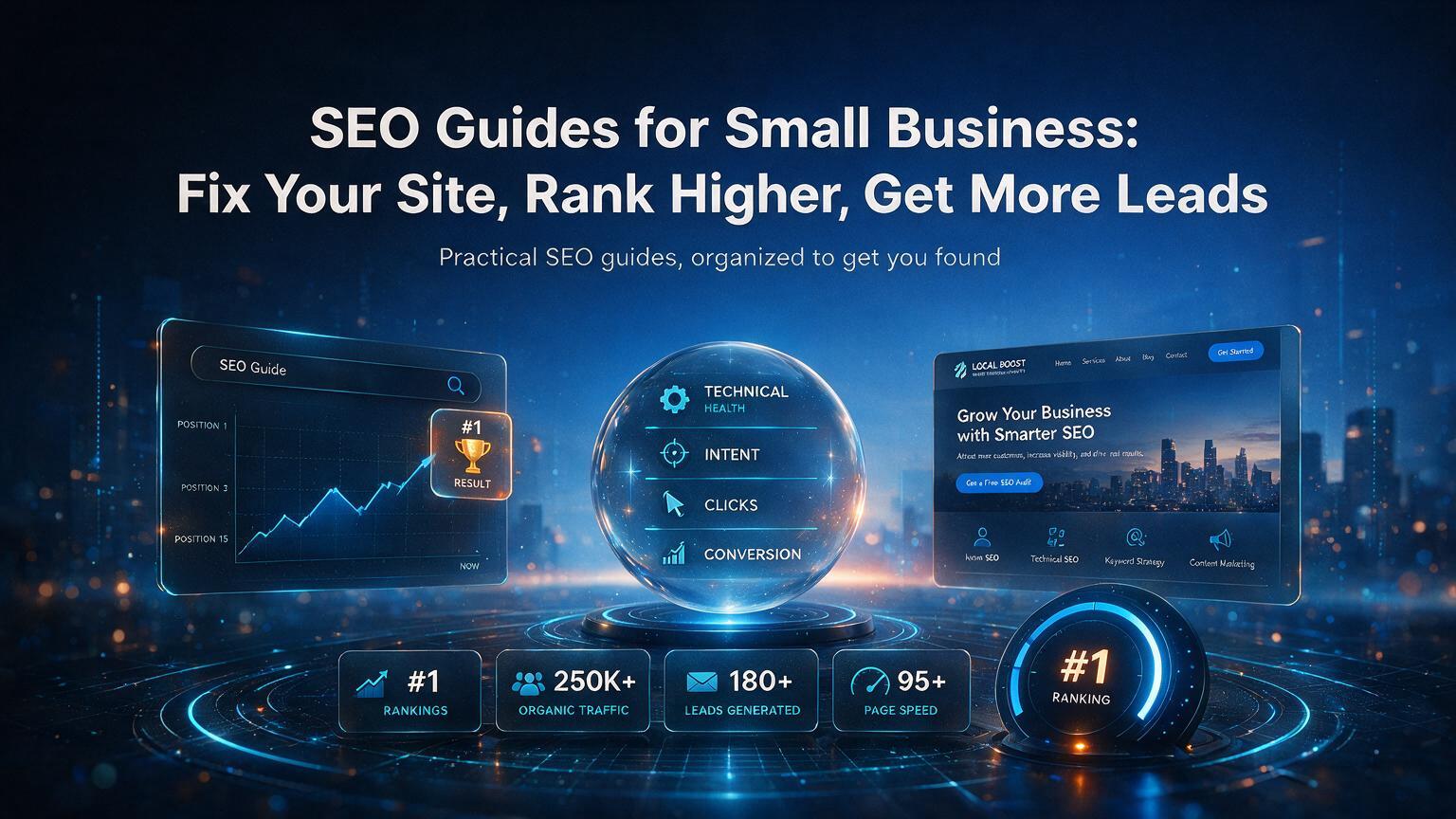
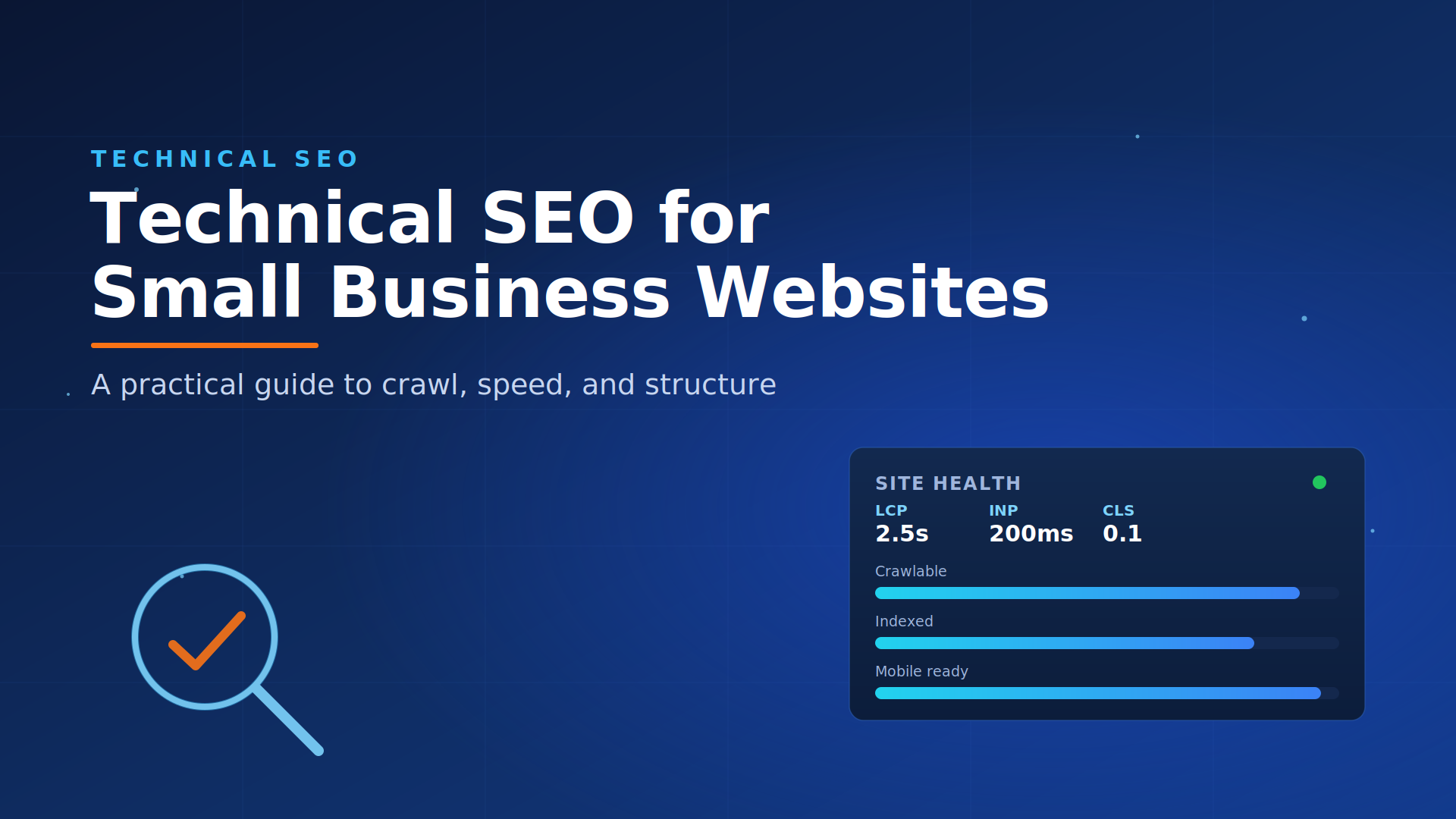
- Technical health: crawlability, indexation, redirects, canonical tags, XML sitemap, robots directives, and structured data. These control whether Google can access and understand the site at all.
- On-page: title tags, meta descriptions, heading structure, internal linking, and keyword targeting mapped to search intent for the pages that matter.
- Content: coverage gaps against the topics competitors rank for, thin or duplicate pages, and opportunities to consolidate or expand.
- Off-page and backlinks: the current link profile, toxic or spammy links to disavow, and the authority gap versus the top-ranking competitors.
- Local SEO: Google Business Profile completeness, citation consistency, and review signals, when the client serves a geographic market.
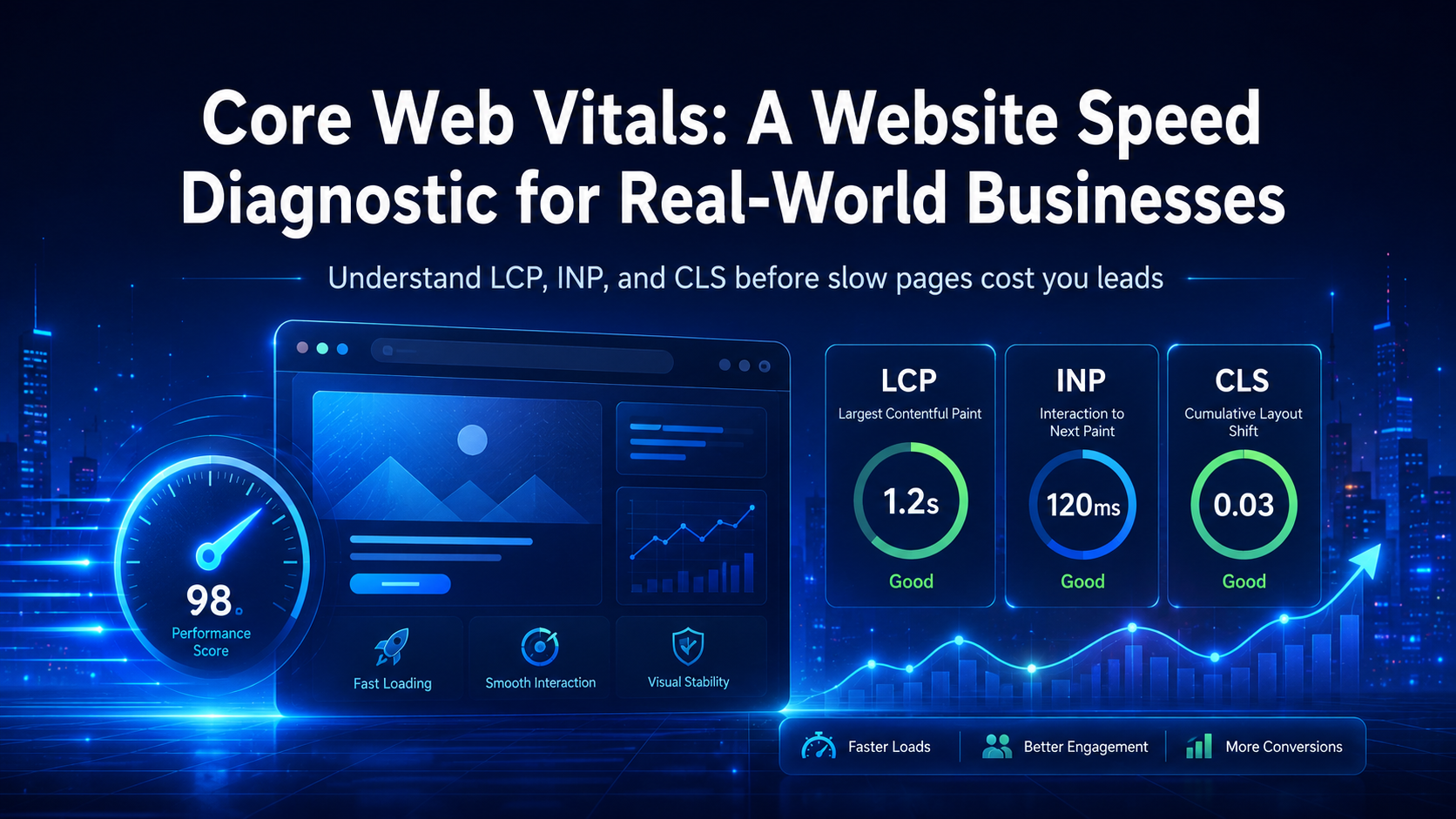
- Core Web Vitals and performance: real-world load, interactivity, and layout-stability numbers, since page experience feeds ranking and conversion.
Each of those sections should end with a prioritized recommendation, not just a red or green flag. That is the difference between a report a client skims and one an agency can build a retainer around.
How the Findings Turn Into Client Results
An audit only earns its keep when the findings become an action plan. The strongest reports rank fixes by impact and effort so the agency can lead with the changes that move rankings or conversions fastest, then schedule the rest.
For example, a technical audit that surfaces a set of pages blocked from indexing points to an immediate recovery opportunity: unblock them and previously invisible pages become eligible to rank. A content-gap analysis that shows competitors covering buyer questions the client ignores becomes a content roadmap. A backlink review that isolates a small set of toxic links becomes a cleanup task that protects the profile. Presented this way, the audit gives the client clarity and the agency a reason for the next engagement.
Want audit reports your clients trust and act on?
Most agencies lose momentum when a diagnostic reads like a list of errors with no plan attached. Viewpoint runs data-backed, fully rebrandable SEO audits with prioritized recommendations, so you can present a clear roadmap under your own name. Book a free 15-minute strategy call to see how it fits your workflow.
What a White-Label SEO Audit Should Cost
Pricing models vary, and understanding them protects an agency’s margin. Providers typically charge one of three ways:
- Per-report flat fee: a fixed price per audit, simplest to mark up and quote to a client.
- Tiered by site size or depth: more for large sites or deeper competitive analysis, which keeps the price aligned with the work.
- Bundled with fulfillment: the audit is included when the agency also resells implementation, trading a lower audit price for ongoing work.
The number that matters is the spread between what the provider charges and what the agency bills the client. A cheap audit that produces a generic template can cost more in lost trust than a higher-priced one that a client acts on. Judge cost against the quality of the roadmap, not the line item alone.
White-Label vs In-House vs Freelance
Agencies weighing how to deliver audits generally choose among three routes. Building an in-house team gives the most control but carries the highest fixed cost in salaries and tooling, which is hard to justify until audit volume is steady. Hiring freelancers is flexible and cheaper per project, but quality and availability swing between individuals, and rebranding is rarely built in. A white-label provider sits in between: predictable output, specialist tooling, and reports built to carry the agency’s brand, in exchange for less direct control than an owned team. For most growing agencies, the white-label route is the fastest way to offer credible audits without a hiring commitment.
How to Vet a White-Label SEO Provider
Not all providers are equal, and price is the weakest signal. Vet on the factors that predict whether the client will get results:
- Data access: does the agency receive the underlying data, or only a finished PDF? Raw access lets the agency defend and extend the recommendations.
- Tooling transparency: which crawlers and platforms does the provider use, and are the findings reproducible?
- Custom analysis over templates: a report that reads the same for every site is a template with the client’s name swapped in. Look for niche-specific insight.
- U.S.-based strategy and support: clear communication and accountability matter when a client has questions the agency has to answer.
- Turnaround and scalability: a defined delivery window and the capacity to handle more reports as the agency grows.
Best Practices for Agencies Reselling Audits
The audit is the product; the experience around it is what keeps the client. A few practices consistently separate a one-off report from a retained relationship:
- Set expectations up front: tell the client what the audit covers and what it does not, so the report lands as promised.
- Always deliver rebranded: the report should carry the agency’s logo, colors, and voice, with no trace of the provider.
- Communicate on a cadence: a short walkthrough call turns a document into a decision.
- Lead with priorities: present the top three fixes first, then the full list, so the client knows where to start.
- Track and revisit: a quarterly re-audit shows progress and creates the natural next engagement.
Ready to scale your agency’s SEO without hiring?
Viewpoint Innovations partners with agencies to deliver white-label SEO audits and fulfillment you can present as your own. Combine specialist analysis with U.S.-based strategy so you can take on more clients without adding headcount. Book a free strategy call to map it to your accounts.
Frequently Asked Questions
What is a white-label SEO audit?
It is a full site evaluation performed by a third-party SEO specialist and delivered under your agency’s brand. It covers technical SEO, on-page, content, backlinks, local search, and page performance, with prioritized recommendations.
How does white-label SEO help an agency scale?
It lets the agency onboard more clients without hiring or buying specialist tools. The provider supplies the analysis and depth; the agency keeps the client relationship and the strategy.
What is the difference between a white-label SEO company and a white-label SEO agency?
The functions overlap. A white-label agency typically offers a full spectrum of services, while a white-label company often specializes in one area such as audits or link building.
Do white-label SEO audits include link building?
Not always, but they identify where link building is needed. Some providers offer white-label link building as an add-on.
How often should agencies run SEO audits for clients?
A quarterly cadence works well. Regular audits catch issues early, keep strategy current, and give the agency a clear reason for the next engagement.
Sources
- Google Search Central: SEO Starter Guide
- Google Search Central: Core Web Vitals
- Google Search Central: FAQPage structured data
Find more from ViewPoint in Google Search
Enjoyed this guide? Add ViewPoint Innovations as a preferred source to help you find our articles in Google Search.
Or open Google source preferences